


Nourishing You in Parkinson’s Disease: Your Diet, Nutrition, and Microbiome Health Matter!

Updated: Mar 17
Living well is essential for everyone, especially for those with Parkinson's disease. A balanced diet can significantly improve your health and overall well-being. It helps your body build immunity and may reduce symptoms associated with Parkinson’s disease.
The Importance of Whole Foods
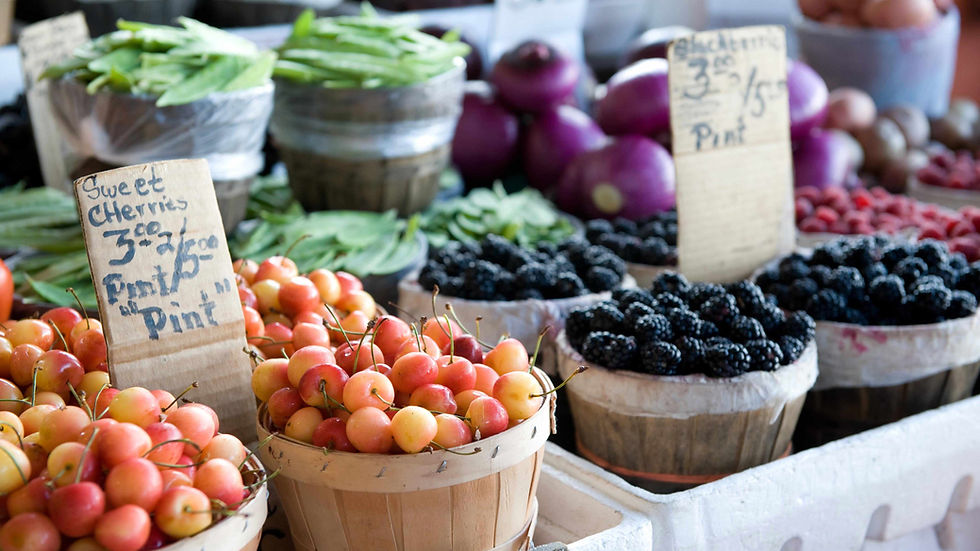
Eating fresh, whole foods is the best choice when managing health with Parkinson's disease. Aim for a colorful variety of fruits and vegetables. Include lean proteins, peas, beans, legumes, and whole grains rich in fiber. These foods help clean your large intestine and support the production of healthy gut bacteria.
Research shows that a healthy microbiome is crucial for overall well-being. Strive to consume at least 40 different fruits and vegetables each week. Staying hydrated is also vital. Drink herbal teas, fresh juices, and plenty of water. Limit caffeinated drinks, as they can lead to dehydration.
Embracing the Mediterranean Diet
The Mediterranean diet is an excellent way to nourish yourself while living with Parkinson’s disease. This diet emphasizes whole grains, vegetables, nuts, legumes, and berries. Fish is the preferred protein, while olive oil is the preferred fat. A combination of healthy, plant-based foods appears to be more beneficial for managing Parkinson's disease than any single dietary element.
Understanding Dehydration
Medications used to treat Parkinson’s disease can cause dehydration. Many people report that their saliva dries out when taking certain medications. Dehydration can leave you feeling tired and may lead to confusion, balance issues, weakness, and kidney problems over time. It’s essential to drink plenty of fluids throughout the day. Minimize caffeinated drinks, as they can worsen dehydration.
Managing Medications
Carbidopa-levodopa is the most commonly used medication for treating Parkinson’s disease. This drug is absorbed in your small intestine. However, its absorption can be disrupted if you take it shortly after eating a high-protein meal. To maximize the effects of your medication, try to eat high-protein foods at different times of the day. For instance, if you take your medicine in the morning, opt for oatmeal instead of high-protein eggs for breakfast. Save your protein intake for later in the day.
Some medications can cause diarrhea as a side effect. For example, entacapone may lead to persistent diarrhea, which might require a discussion with your doctor about alternative medications.
Exploring the Gut-Brain Connection
Research suggests a connection between the gut and the brain in Parkinson's disease. Gut issues may affect the progression of the disease, and vice versa. For instance, Lewy bodies, which are protein clumps associated with Parkinson's, have been found in the gut of some individuals. This finding suggests a possible role for gut health in the development of the disease.
Addressing Constipation
Constipation is a common issue for many individuals with Parkinson’s disease. It often results from a slowdown in the digestive system. If severe, constipation can lead to impacted intestines. Staying hydrated, engaging in regular exercise, and consuming a fiber-rich diet are essential for maintaining gut health and supporting your gut bacteria.

Dealing with Diarrhea
People with Parkinson's disease may experience diarrhea due to various factors, including the disease itself, medications, and other underlying medical conditions. Parkinson's can affect the autonomic nervous system, which controls bowel function. This can lead to issues like constipation and diarrhea. Additionally, like anyone else, individuals with Parkinson's may experience diarrhea from infections, food poisoning, or food sensitivities.

Conclusion: Nourishing Yourself
In conclusion, nourishing yourself through a balanced diet is vital in managing Parkinson’s disease. Focus on whole foods, stay hydrated, and consider the Mediterranean diet as a beneficial option. Be mindful of your medications and their effects on your digestive health. By taking these steps, you can support your overall well-being and improve your quality of life.
Remember, your health is in your hands. You have the power to make choices that positively impact your life. Embrace these dietary changes and enjoy the journey towards better health.


